

Quick answer
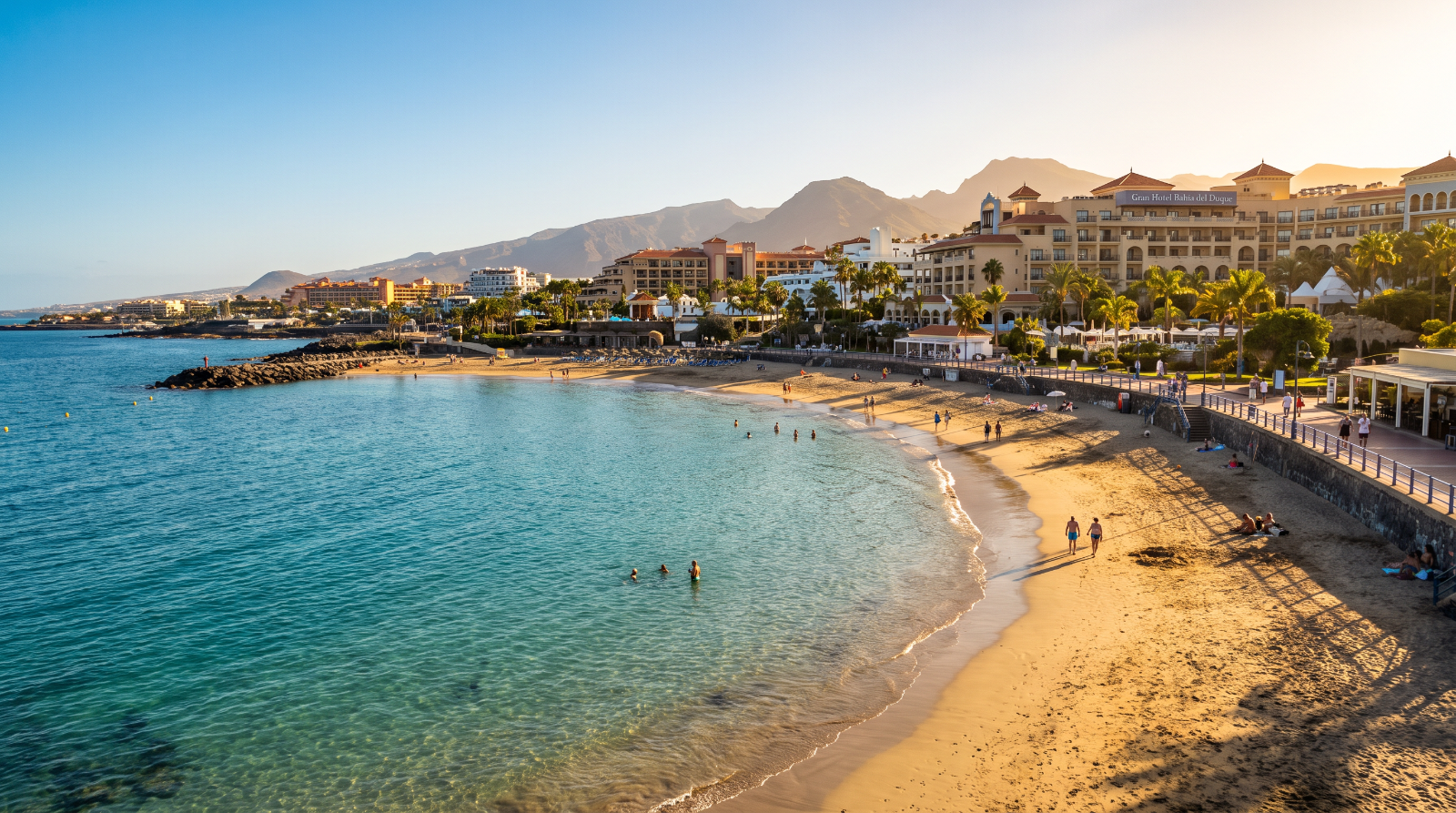
The beaches in Costa Adeje are free, public stretches of soft golden and volcanic sand along a sheltered Atlantic coast, open around the clock with no entrance fee. The water stays calm behind breakwaters, and paved promenades link most stretches. Arrive between 09:00 and 11:30 to settle in before the midday heat and crowds build.
Tenerife is a volcanic island, so its natural sand tends to run dark grey. Yet along this southwestern strip the sand often glows pale gold — a deliberate contrast that catches first-time visitors off guard. Anyone asking what are the beaches like in costa adeje is really asking about a purpose-built resort coast, where engineered breakwaters and imported grains define the Costa Adeje coastline beside the raw Atlantic. The result is a shoreline designed for comfort rather than left to nature. That engineering is why the sand stays broad even at high tide, and why the beaches look tidy year-round. The coast reads as a chain rather than a single beach. Playa del Duque anchors the polished northern end near the grand hotels; Playa de Fañabé and Playa de Torviscas stretch south along a continuous seafront promenade that links most of them on foot. Each cove carries its own name and rhythm, yet they blend into one near-unbroken front. Because low sea walls tame the swell, the water sits calmer here than on the island's exposed north shore. That sheltering is the practical reason swimmers and slow walkers gravitate to the playas de Costa Adeje in the first place, and why the strip feels approachable rather than wild. Access could not be simpler. Every stretch is free and open to the public, with no gate, ticket, or fee, and the address is plainly Costa Adeje, Adeje, on Tenerife's south coast. Nothing here charges admission. Facilities cluster near the promenade — showers, cafes, and the marina at Puerto Colón, where many boat trips set off. What varies from beach to beach is texture and mood, not entry. The northern sands feel manicured and dressed for the resorts; the southern ones stay a touch more local and low-key. So the honest answer to what are the beaches like in costa adeje is this: consistent, sheltered, and easy to reach, with sand that shifts from gold to darker volcanic tones depending on where you stand. Treat the whole seafront as one long, walkable coast, choose a section by the atmosphere you want, and let the calm Atlantic water and the free public access carry the day.
“The sand shifts from gold to darker volcanic tones depending on where you stand — the entry stays free either way.”
Comparing the Coastline: What Are the Beaches Like in Costa Adeje?
Costa Adeje features a diverse coastline, ranging from manicured resort sands to natural volcanic bays. Each beach along this stretch of southern Tenerife offers distinct characteristics, amenities, and water conditions.
Playa del Duque
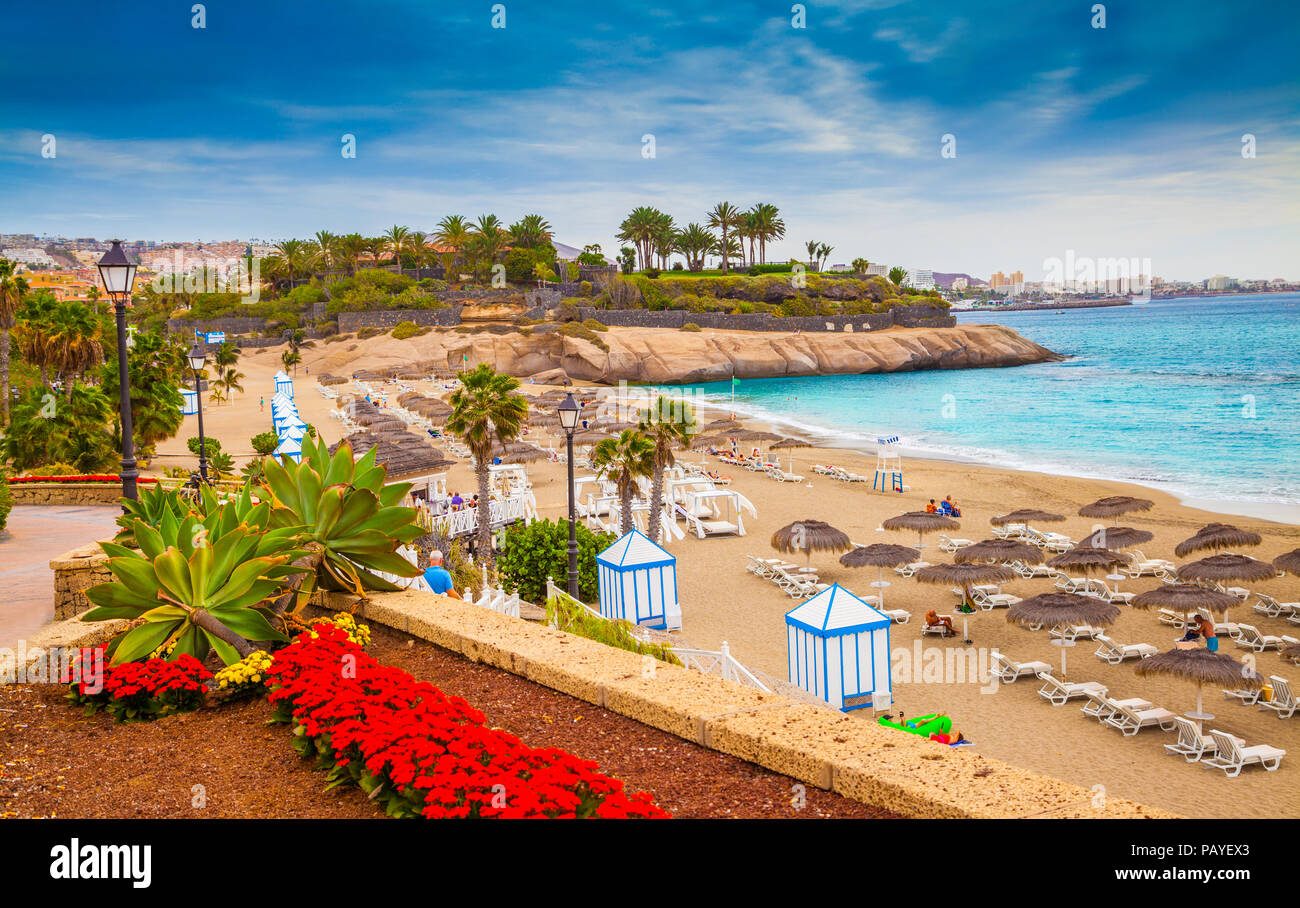
This upscale cove features imported golden sand, calm turquoise waters, and a refined atmosphere. It is bordered by a stone promenade leading to luxury resorts and shopping centers.
Walk the rocky northern headland path for panoramic bay views.
Playa de Fañabé
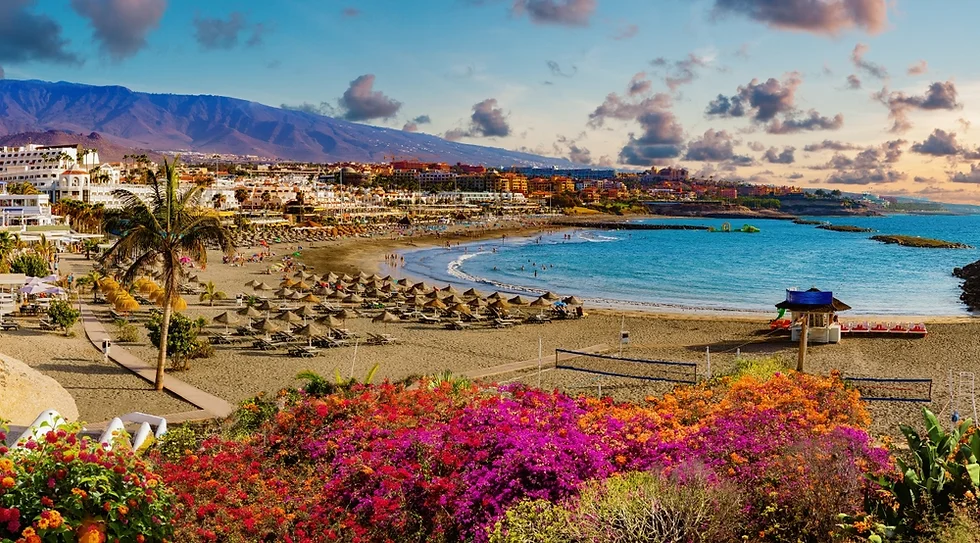
One of the longest beaches in the area, this spot offers dark golden sand and active water sports. Protective breakwaters keep the waves gentle for swimmers along the lively restaurant-lined shore.
Walk the stone breakwater to view the entire coastline.
Playa de La Pinta
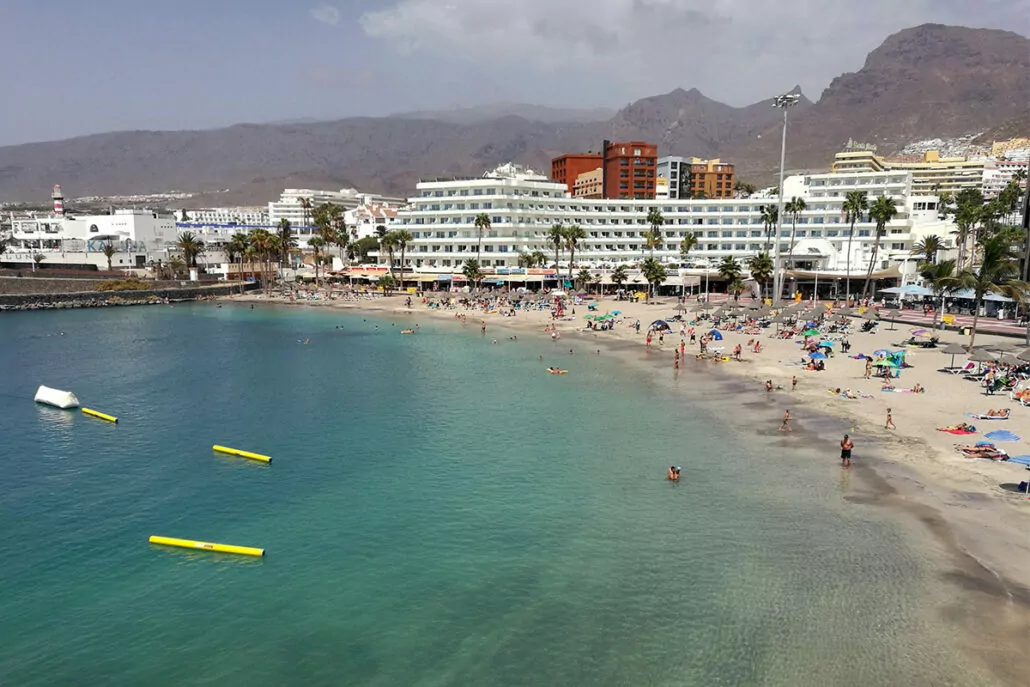
Nestled directly against the Puerto Colón marina, this sheltered bay features exceptionally still water and fine sand. Its proximity to the harbor makes it a central hub for waterfront dining.
Watch yachts enter the marina from the eastern pier.
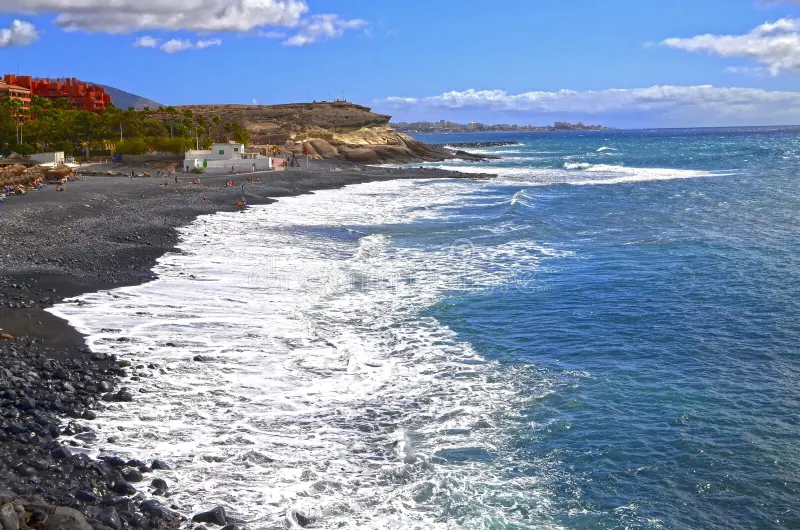
Playa La Enramada
A traditional volcanic beach situated near La Caleta, featuring a mix of dark gravel and smoothed pebbles. This location offers a quieter, more rustic environment away from the main resort crowds.
Look skyward at dusk to see paragliders landing on the pebbles.
Choosing the Perfect Day: What Are the Beaches Like in Costa Adeje Throughout the Year?
To enjoy the coastal microclimate of Costa Adeje, the ideal visiting window is from 09:00 to 11:30, especially during the shoulder months of May and September. Arriving during this period secures sunbeds, avoids peak midday heat, and aligns with calmer morning tides.
Spring (March to May)
Moderate, busier around Easter holidays.Warm, highs averaging 20°C to 23°C.
A pleasant period for sunbathing and swimming before summer arrivals peak. Water temperatures are refreshing but comfortable.
Summer (June to August)
High, peak family holiday season.Hot and dry, reaching 28°C to 31°C.
Sea temperatures peak around 23°C, making it ideal for swimming. The beaches are highly popular, so morning arrival is recommended.
Autumn (September to November)
Low to moderate, quieter after mid-September.Very warm, averaging 23°C to 26°C.
September and October retain summer warmth with fewer visitors. The ocean remains at its warmest seasonal temperature, perfect for swimming.
Weekday mornings
Quietest daily period.—
Arriving between 09:00 and 11:30 secures the best spots before the midday heat. Locals and tourists typically arrive in larger numbers after noon.
Verdict: For the quietest experience and warmest waters, visit on a Tuesday or Wednesday morning between 09:00 and 11:30 in late September.
Safe Sands for Kids: What Are the Beaches Like in Costa Adeje for Families?
Costa Adeje features exceptionally family-friendly beaches, with Playa La Pinta and Playa Fañabé serving as the primary hubs for visitors with children.
Water conditions
Playa La Pinta and Playa Fañabé feature protective breakwaters that block ocean swells. This design ensures calm, shallow waters ideal for toddlers to paddle safely.
Strollers
A flat, paved promenade connects the main beaches, making it easy to push strollers along the waterfront. You can easily transition from the path to the beachside shops and cafes.
Facilities
Public toilets, showers, and changing areas are distributed along both beaches for easy access. Lifeguard stations operate daily to monitor the swimming zones.
Keeping them engaged
Playa La Pinta hosts anchored inflatable water parks in the shallow bay, while Playa Fañabé features climbing frames on the sand. Pedal boats are also available for rent nearby.
Feeding
The adjacent promenade is lined with casual restaurants offering children's menus and high chairs. Mini-markets sit just behind the beach for purchasing water and fresh fruit.
Accessible Shores: What Are the Beaches Like in Costa Adeje for Mobility Needs?
Costa Adeje offers reliable accessibility infrastructure across its major shorelines, focusing on Playa de Fañabé and Playa de Torviscas. Visitors with reduced mobility can access the sand and water using specialized ramps, flat promenades, and dedicated amphibious bathing services.
Request the free amphibious chairs and water-entry assistance directly at the Red Cross lifeguard stations on the sand.
Use the wide concrete ramps situated near the central promenade boardwalks to avoid step barriers.
Ask lifeguard staff for keys to the adapted toilets and changing cabins located near the beach stations.
Public lifts are not available on the beaches as access from the main promenade relies on ramped paths.
Tactile paving and dedicated sensory guidance systems are not present along these beach zones.
Key Missteps to Avoid When Visiting the Costa Adeje Coast
A few avoidable errors turn a smooth beach day on the Costa Adeje coast into a frustrating one. Most relate to safety, footwear, and parking.
Ignoring the flag system and swimming in red-flag conditions
Check the beach flags before entering: green means safe, yellow means caution, red means no swimming. Follow lifeguard instructions without exception.
Swimming against strong undertows at Playa del Duque
Stay within the marked swimming zones and near lifeguard stations. If caught in a pull, swim parallel to shore rather than fighting straight back.
Forgetting reef shoes for rocky or volcanic sections
Pack water shoes to protect your feet on rocky entries and hidden underwater stones common along this coast.
Trying to park on the street near the beaches
Street spots are scarce and often restricted. Use the signposted public car parks and arrive within 09:00–11:30 to find space.
Underestimating the midday heat and sun exposure
Bring water, shade, and high-SPF sunscreen. Arrive in the morning to settle before the peak heat builds.
Leaving valuables unattended on the sand while swimming
Keep phones, wallets, and keys with your group or in a waterproof pouch, and never leave belongings alone on the beach.
Insider Tips for Maximizing Your Time on the Costa Adeje Sand
Maximize your beach experience in Costa Adeje by utilizing smart parking options, walking the scenic coastal path, and choosing budget-friendly sunbed locations.
Walk the Coastal Promenade
A paved pathway connects all the major Costa Adeje beaches. Walk this trail to easily compare beach atmospheres and choose your preferred spot without driving.
Park at Plaza del Duque
Street parking near Playa del Duque is extremely limited. Use the underground garage at Plaza del Duque shopping mall, which offers the first hour of parking for free.
Use San Miguel Mall Parking
For direct access to Playa de Fañabé, bypass the congested beachside streets. Secure paid parking in the Centro Comercial San Miguel garage just a short walk from the sand.
Compare Sunbed Pricing Areas
Sunbed hire rates vary significantly by beach zone. Standard loungers at Playa de Troya cost around 5 to 6 EUR per day, whereas Playa de Fañabé rates typically start higher, often reaching 8 to 12 EUR per day.
Buy a Local Parasol
If you plan to spend multiple days on the sand, purchase a parasol at a local supermarket rather than renting. This pays for itself after just two days compared to daily rental fees.
Utilize Titsa Bus Route 467
The 467 public bus connects major coastal points in Adeje directly to the beach access zones. This route helps you avoid parking fees and narrow, congested local streets.
Top Nearby Sights to Combine With Your Costa Adeje Beach Day
A day on the coastline pairs well with upscale shopping, fresh dining options, or booking a maritime excursion. These neighboring spots allow you to transition from sunbathing to afternoon activities without long travel times.
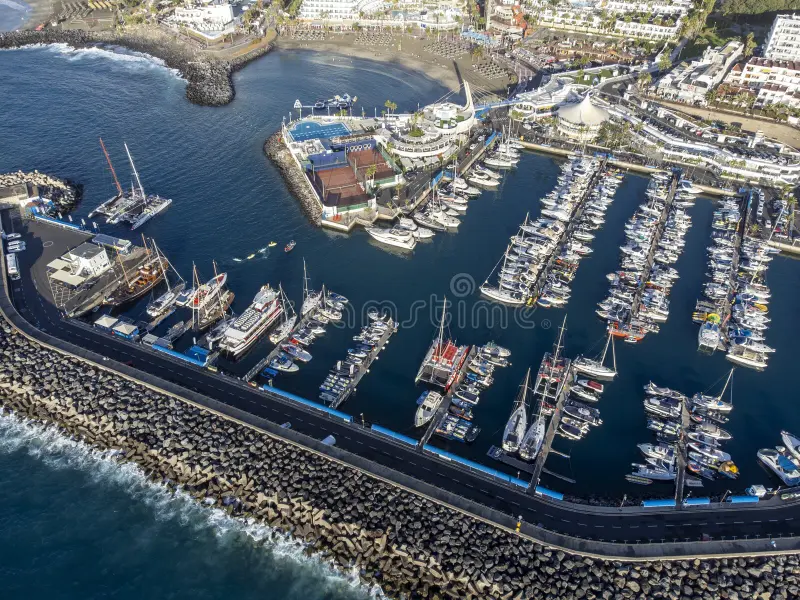
Puerto Colón Marina
This central harbor serves as the departure point for local boat excursions and whale watching trips. You can easily walk here after sunbathing to check out the yachts or board an afternoon cruise.
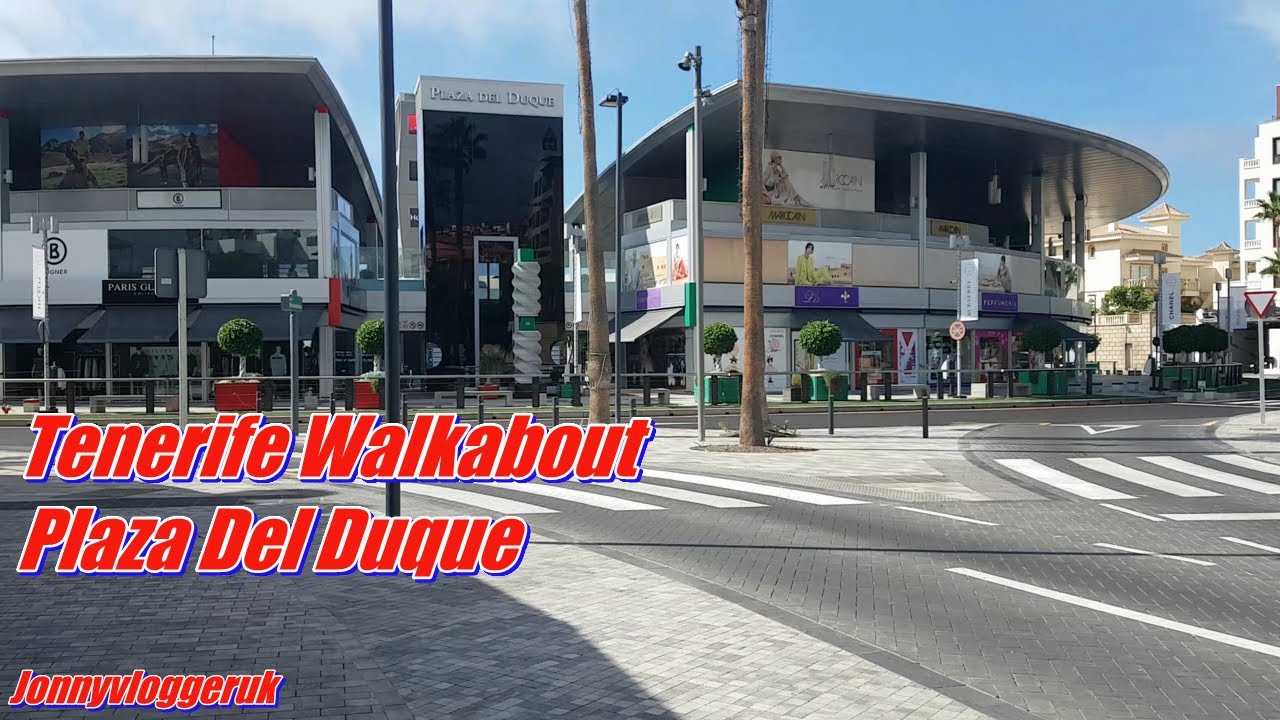
Plaza del Duque Shopping Center
Featuring a distinctive circular design, this premium mall hosts international fashion brands and quiet cafes. It offers a cool indoor environment to escape the midday heat directly after leaving the beach.
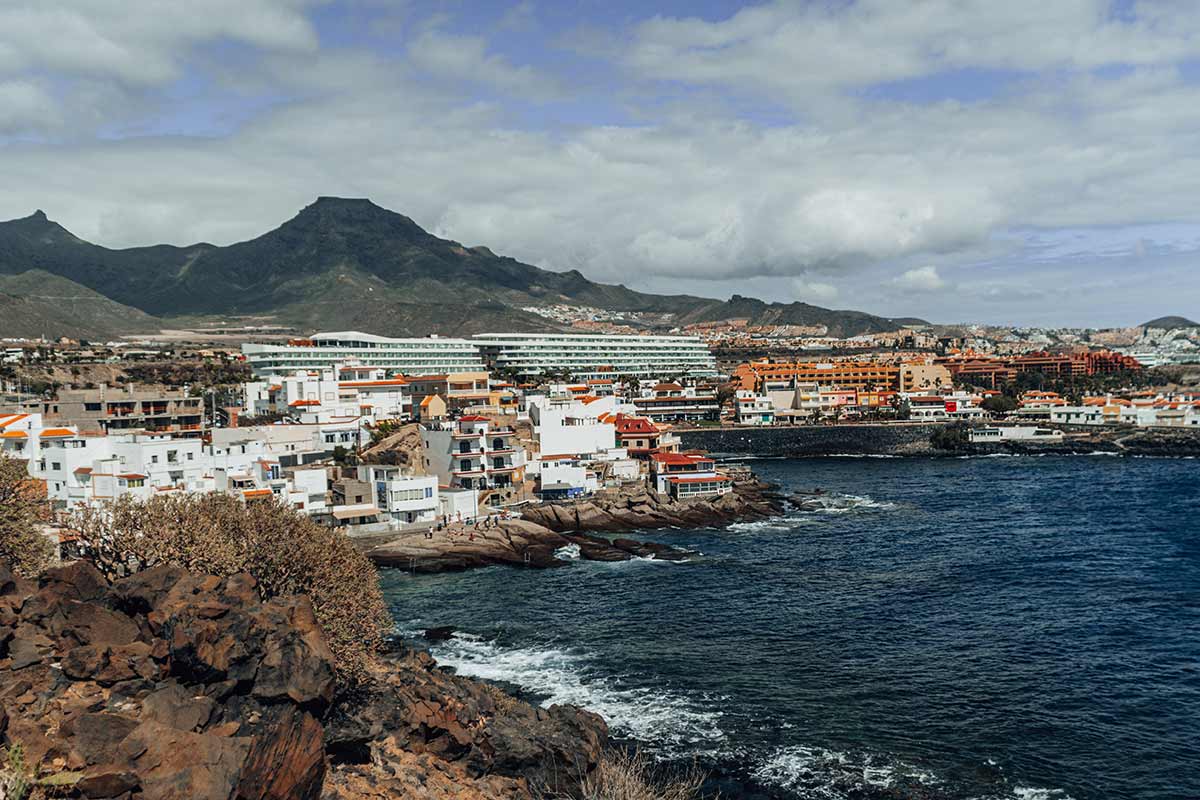
La Caleta Fishing Village
This traditional coastal village is famous for its seafront restaurants serving local seafood. Walking here along the coastal path is a popular route to watch the sunset and finish your day with dinner.
Check availability
FAQ about what are the beaches like in costa adeje
Everything you need to know about what are the beaches like in costa adeje